
community
Healthcare is built by many hands
Ever is engineers and physicians working side by side. The community is everyone who helps make healthcare data interoperable, secure and owned by patients.
How would you like to take part?
Doctors, nurses and pharmacists
Tell us where software gets in the way of care. Review a workflow, a form or a clinical rule in your specialty.
open ↗engineersDevelopers
Connect a system over FHIR or HL7v2, build a plug-in, or improve the documentation.
open →researchersResearchers and students
Work with consented, de-identified data, or contribute expert labelling through AnnoMed.
open →localisersTranslators and country experts
Each country needs its own language, payer rules, codes and forms. Help make a country pack correct.
open ↗health systemsHospitals and ministries
Pilot a module, share requirements, or join the exchange network.
open →patientsPatients and advocates
Help shape how people see, carry and share their own health record.
open ↗Community channels are run by email for now: [email protected] · Every way to get involved →
what contributing looks like
Three ways to make it better
Make a country correct
A country pack holds the language, payer schemes and rates, laboratory names, facility templates and mandatory reports. People who work in that health system know where it is wrong.
- +Translate and review clinical labels
- +Check payer rules against current circulars
- +Supply ward and department templates
Review the clinical detail
Every form, order set and rule should read the way a clinician in that specialty expects.
- +Walk through a workflow in your department
- +Flag a field that is missing or misleading
- +Label data with AnnoMed in your specialty
Build and document
Standard interfaces mean a small team can connect a device, a laboratory system or a new module.
- +Connect a system over FHIR or HL7v2
- +Write a plug-in for a local need
- +Improve a guide you found confusing
what we hold in common
Principles
01
Patients first
Health data belongs to the person it describes. Every design decision is tested against that.
02
Standards over lock-in
HL7 and FHIR in and out, so a hospital can leave as easily as it joined.
03
Auditable by default
Systems that run a hospital should be open to inspection by the people who depend on them.
04
Local knowledge leads
Care differs by country and by ward. People who do the work decide how the software behaves.
in the field
Where the community has been
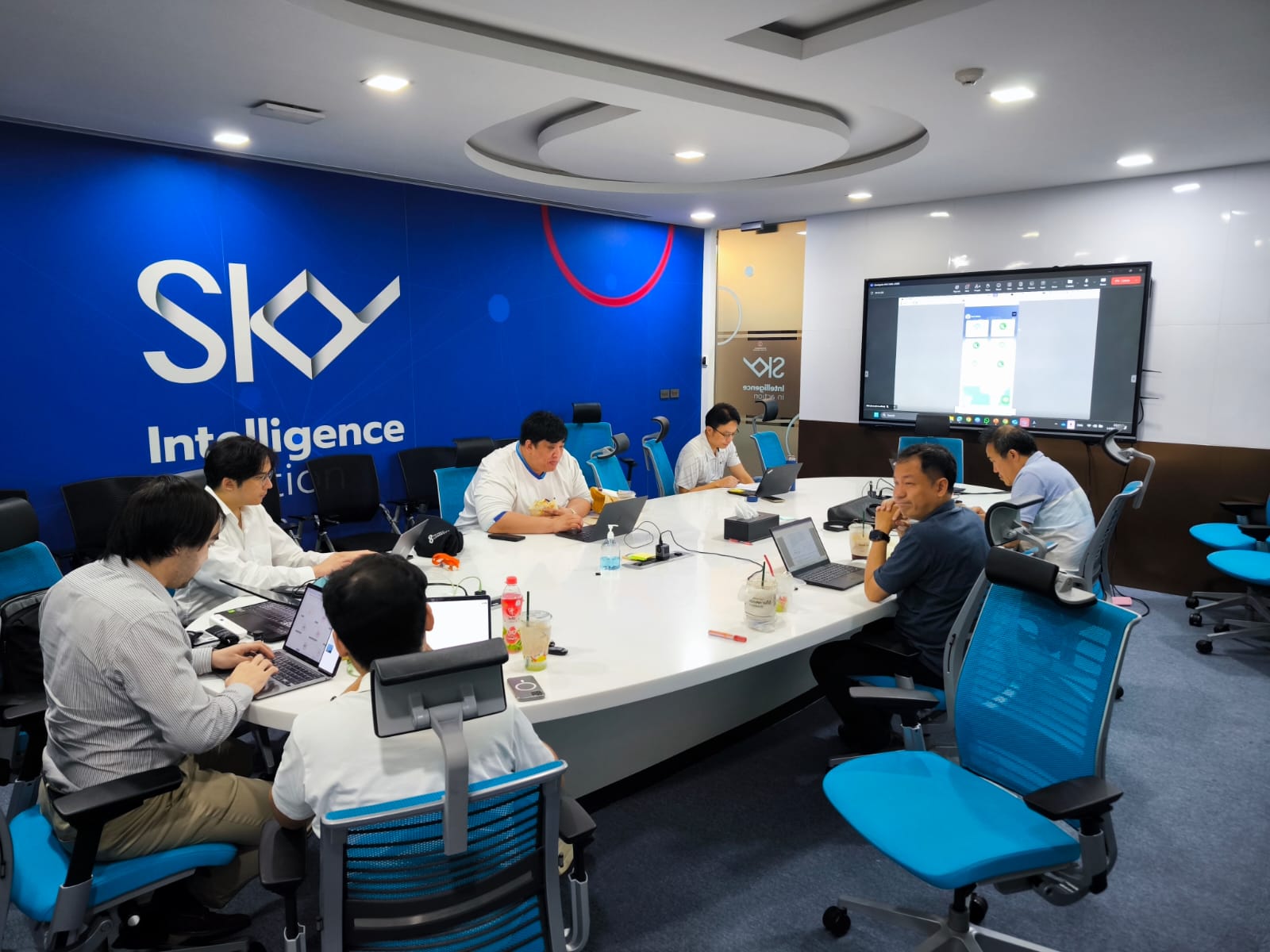
Ever partners with SKY ICT to revolutionize Thailand's healthcare infrastructure
· Innovations in Hospital Systems
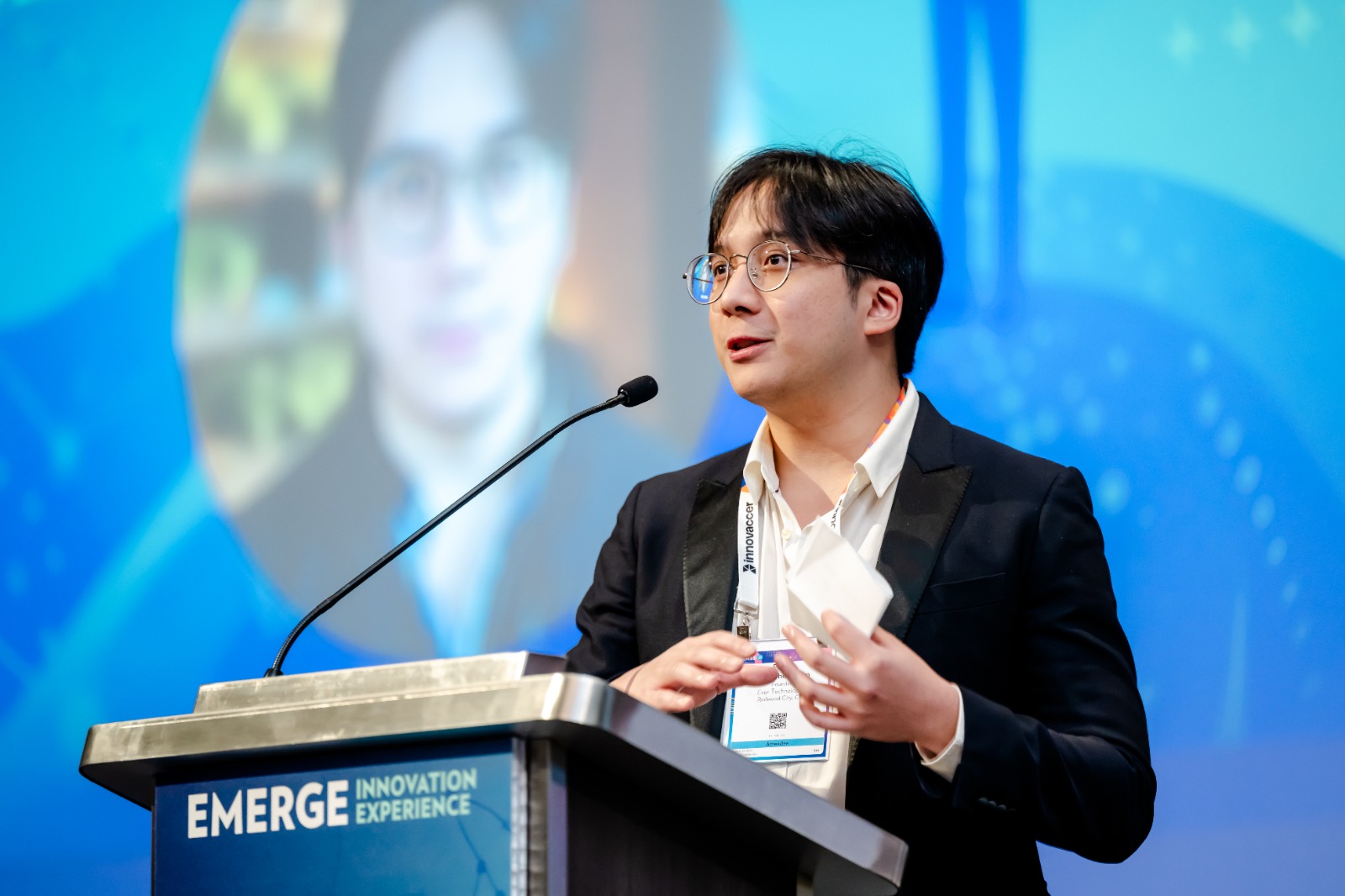
Leading the Charge for Self-sovereign data at HIMMS 2025
· Blockchain Health Data Platform

Ever Explores Healthcare and Food Security Initiatives in Timor-Leste
· Blockchain Health Data Platform

Ever attends the 2nd Annual Membrane Gathering: A transformative experience on Necker Island
· Blockchain Health Data Platform
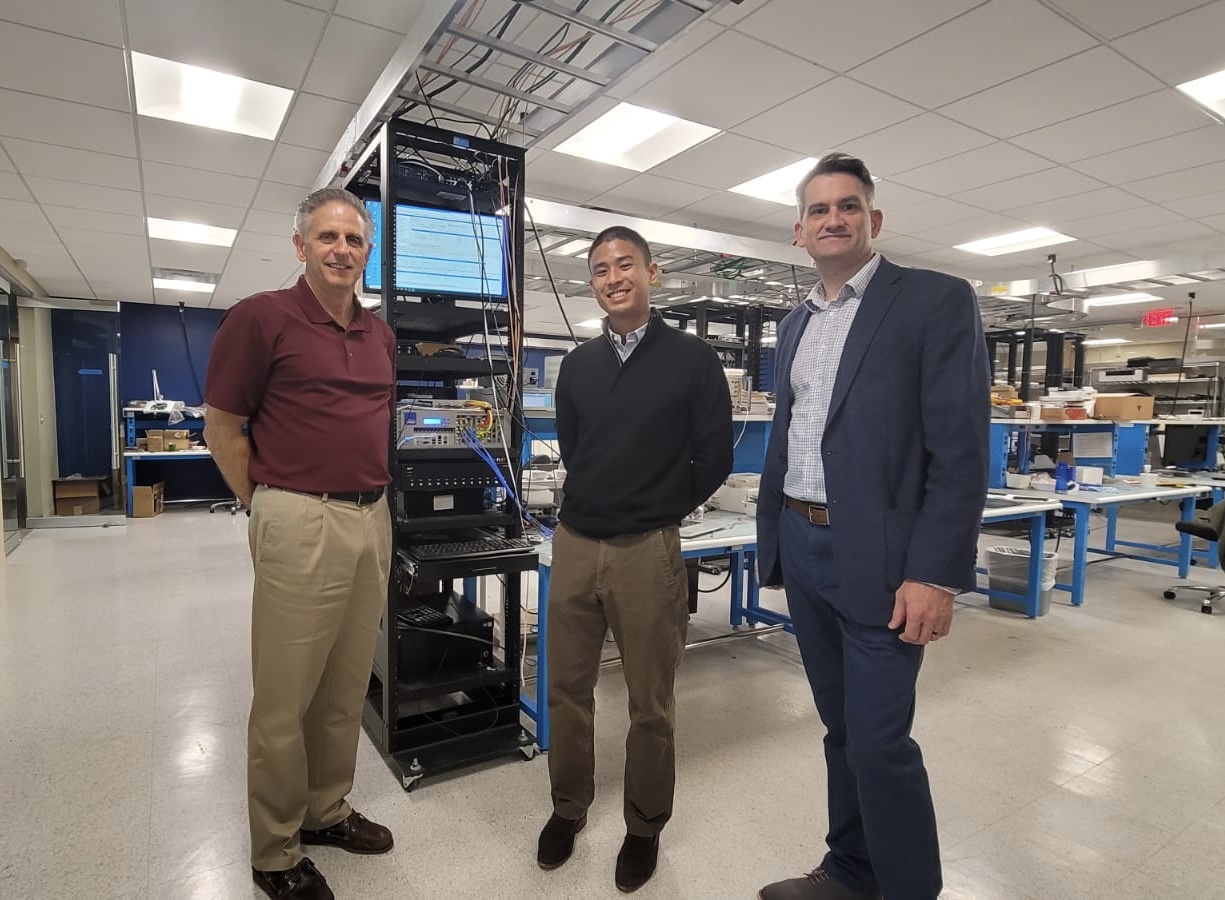
Ever visits Veea's headquarters
· Blockchain Health Data Platform
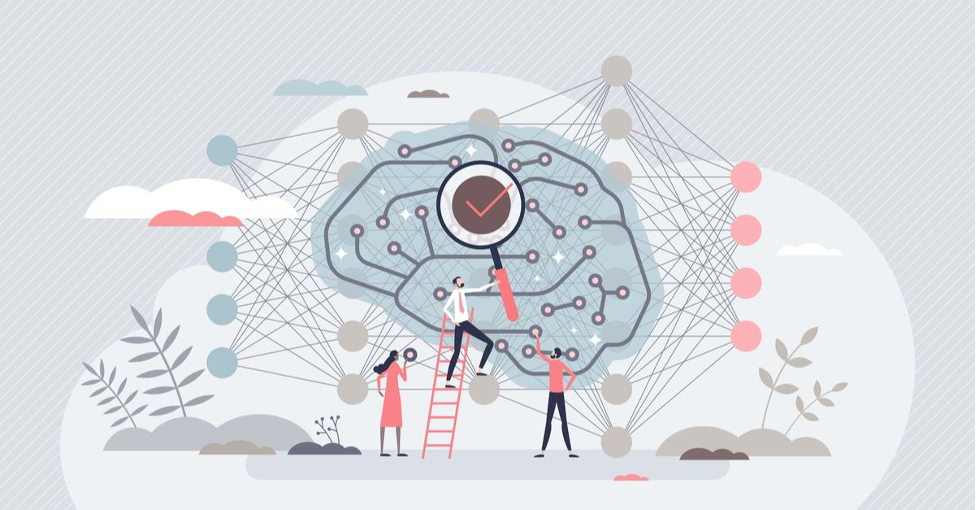
Are you training your AI to achieve its full capabilities?
· Innovations in Hospital Systems
Questions people ask
Do I need to be a programmer?
No. Clinicians, translators, students and patients all have a part. Most of what makes hospital software good is knowledge of how care is given.
Is there a forum or chat?
Not yet. For now the community runs by email, and we answer every message.
Can students take part?
Yes. Ever has built teaching tools with a medical faculty and welcomes students in medicine, pharmacy, nursing and computing.
How is patient data protected when people contribute?
Contributors never work on identifiable patient records. Reviews use test data, and research uses consented, de-identified data.
Can my hospital pilot something?
Yes. See the organisations page for how a pilot is scoped.
Join the transformation today.
Ever was created from the ground up in partnership with pioneering engineers and expert physicians. Our innovations solve real-life issues that inhibit medical institutions around the world.